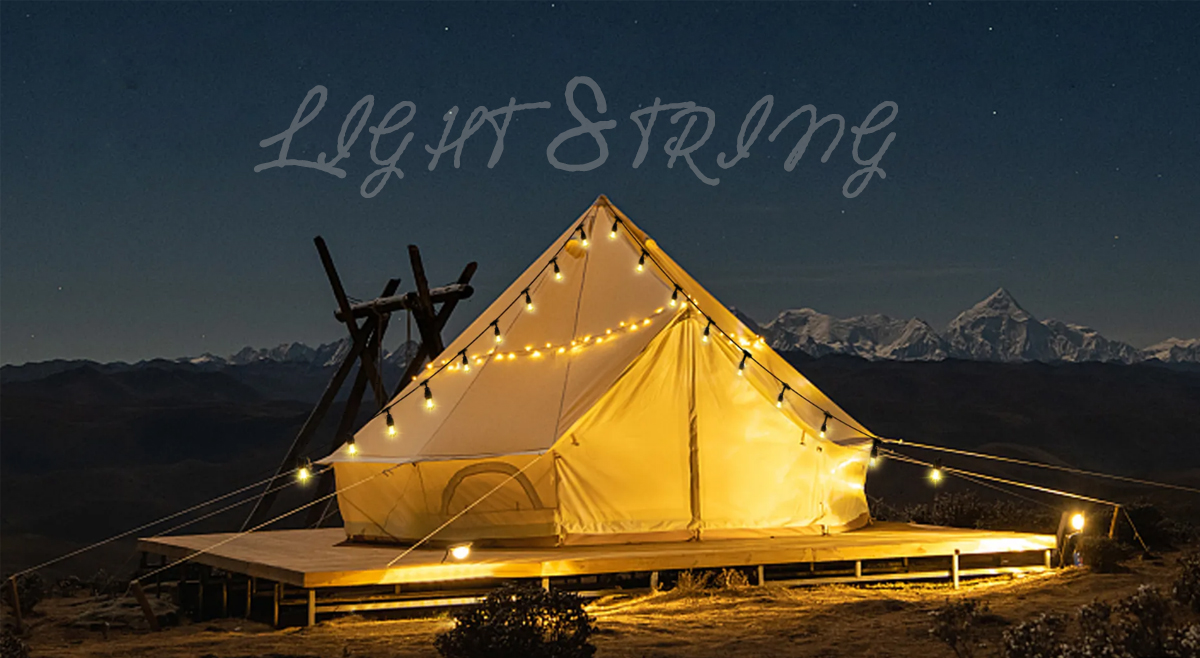

The Debate over Whether Christmas Tree Lights Should be Connected in Series or Parallel
As the holiday season approaches, many households and businesses begin the tradition of decorating a Christmas tree. One of most iconic elements of a festive tree is the string of twinkling lights that adorn its branches. However, a longstanding debate among enthusiasts and experts alike concerns the best way to connect these lights: in series or in parallel.

The series vs. parallel debate is not just a matter of personal preference; it has practical implications for safety, energy efficiency, and ease of troubleshooting. Here, we will take a closer look at the pros and cons of each approach.
Connecting Christmas tree lights in series means that each individual bulb is connected to the next in a continuous loop. This creates a single pathway for the electricity to flow through all the bulbs. The primary advantage of this setup is that it uses fewer wires and is simpler to install. However, the downside is that if one bulb burns out or becomes loose, it can cause the entire string of lights to go dark. This can be frustrating for the person tasked with finding and replacing the faulty bulb.
In contrast, connecting the lights in parallel means that each bulb has its own separate connection to the power source. If one bulb fails, the others will remain lit. This can be a major draw for those who prioritize convenience and ease of maintenance. However, a parallel setup requires more wires and can be more complex to set up.

When it comes to safety, the series setup has the potential to pose a greater risk of fire if one of the bulbs overheats. The parallel setup, on the other hand, offers a degree of built-in redundancy, as the failure of one bulb will not affect the others.
In terms of energy efficiency, the series setup can actually be more conservative, as the current must pass through each bulb in the chain. This can result in a slightly dimmer overall effect but can save on energy usage.
Ultimately, the decision of whether to connect Christmas tree lights in series or parallel comes down to personal preference and specific needs. For those who want a simple and traditional setup, series may be the way to go. However, for those who value convenience and safety, parallel may be the better choice.

In conclusion, the debate over how to connect Christmas tree lights is likely to persist as long as the tradition of tree decorating continues. Both series and parallel setups have their merits, and the best choice depends on the priorities of the individual or organization. As technology continues to evolve, new solutions may arise to address the concerns associated with each approach. But for now, the debate lives on, adding an extra layer of complexity and intrigue to the beloved tradition of lighting up the Christmas tree.






viber

skype

whatApp

telegram
 Chinese
 English
 Arabic
 France
 Spain
Spain
 Portugal