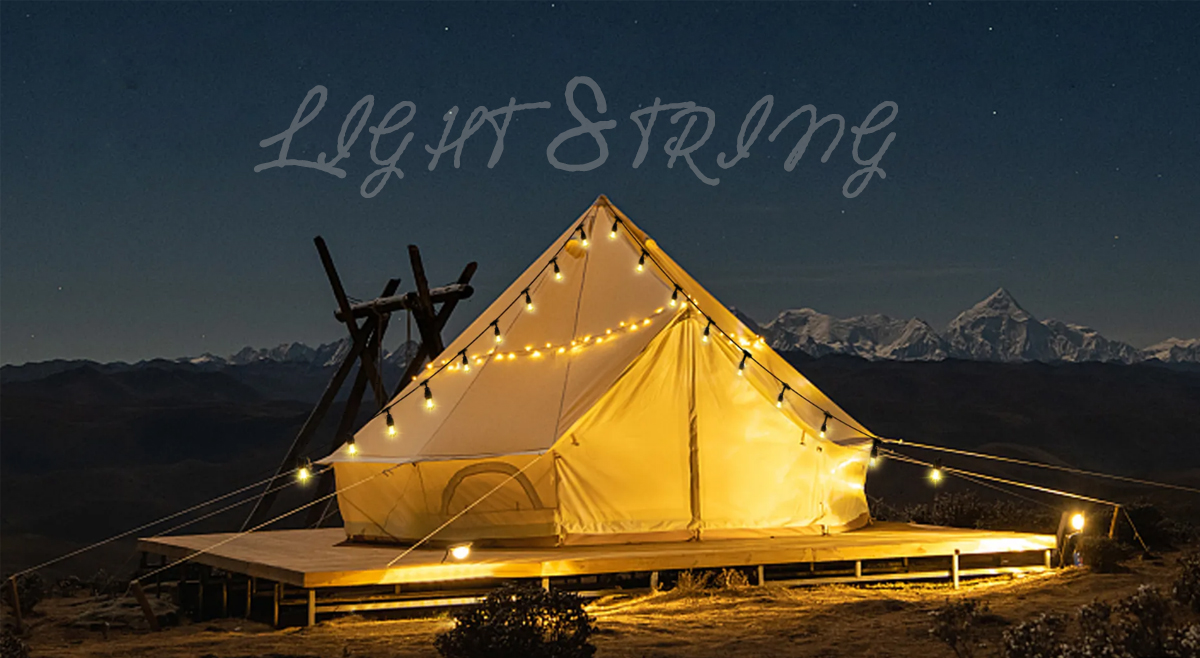

What to Do When Your Solar Lights Won't Turn On
Solar lights are a convenient and eco-friendly way to illuminate outdoor spaces, but sometimes they may fail to light up due to various reasons. If you are experiencing this issue with your solar lights, there are a few troubleshooting steps you can take to determine and resolve the problem.

First, check the position of the solar panel. Ensure that it is placed in an area where it can receive direct sunlight for at least 8 hours a day. If the panel is obstructed by leaves, dirt, or other obstacles, it may not be able to effectively absorb sunlight and convert it into energy for the light. Clean the solar panel regularly to maintain its efficiency.
Next, inspect the batteries in the solar light fixture. Over time, the rechargeable batteries in solar lights can lose their ability to hold a charge. If your lights appear dim or do not turn on at all, the batteries may need to be replaced. Make sure to use rechargeable batteries specifically designed for solar lights to ensure proper function.
Another common issue with solar lights is related to the light sensor or switch. If the sensor is not detecting darkness properly, the light may not turn on at the appropriate time. Similarly, a faulty switch can prevent the light from activating. Check these components and replace them if necessary.

It's also important to consider the weather conditions. In locations with limited sunlight during certain seasons or frequent cloudy days, solar lights may not receive enough energy to fully charge and operate throughout the night. In such cases, consider using solar lights with higher capacity panels or alternative power sources for consistent illumination.
In addition to troubleshooting, regular maintenance is key to ensuring the optimal performance of your solar lights. Keep the solar panels clean, replace old batteries, and inspect the fixtures for any wear or damage. By maintaining your solar lights, you can extend their lifespan and keep your outdoor spaces well-lit.
In conclusion, if your solar lights are not turning on, there are several steps to take in order to resolve the issue. From checking the solar panel's position and condition to inspecting the batteries and light components, troubleshooting can help identify the cause of the problem. Remember to maintain your solar lights regularly to maximize their efficiency and lifespan.

This article aims to provide helpful tips and guidance on how to address the common issues associated with solar lights, allowing you to enjoy reliable and sustainable outdoor lighting. By taking these steps, you can ensure that your solar lights remain functional and brighten up your outdoor living spaces.






viber

skype

whatApp

telegram
 Chinese
 English
 Arabic
 France
 Spain
Spain
 Portugal