

What to Do When Solar Lighting Can't Hold a Charge
If you've invested in solar lighting for your home or outdoor space, you've made a smart choice for energy efficiency and sustainability. However, sometimes you may encounter issues with your solar lighting not holding a charge. This can be frustrating, but there are steps you can take to troubleshoot the problem and keep your solar lighting system working efficiently.
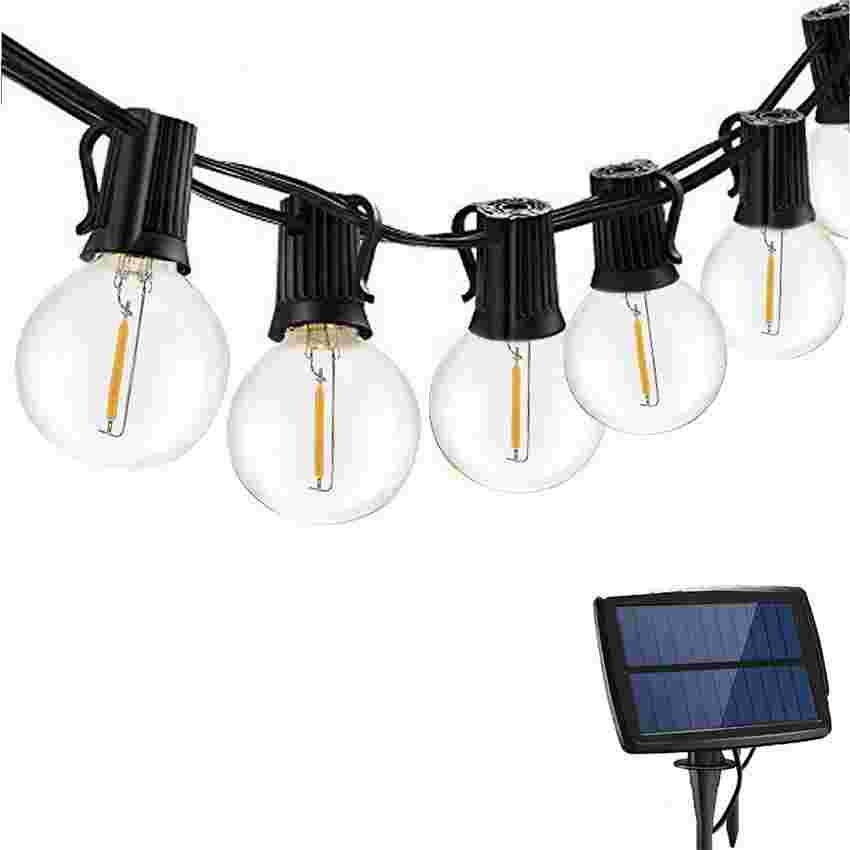
First, check the location and positioning of your solar lighting. Is it in a spot with ample sunlight exposure throughout the day? If not, consider moving the lights to a sunnier location. Proper sunlight exposure is crucial for charging solar lights, so make sure they're in the most optimal position.
Next, inspect the solar panels on your lights. Over time, dirt, debris, or dust can build up on the panels, which can obstruct the absorption of sunlight and hinder the charging process. Regularly clean the solar panels with a soft cloth and mild soap to ensure they can efficiently gather sunlight and charge the batteries.
Additionally, consider the quality and condition of the batteries in your solar lights. Over time, batteries can degrade and lose their ability to hold a charge. If you find that your solar lighting is consistently struggling to stay charged, it may be time to replace the batteries with new ones. Opt for high-quality rechargeable batteries to ensure optimal performance.

Furthermore, it's important to consider the impact of weather conditions on your solar lighting system. Cloudy or overcast days can reduce the amount of sunlight available for charging, so you may notice a decrease in performance during these periods. Keep in mind that solar lighting may not charge as effectively during inclement weather, and have patience during such times.
In some cases, the issue with solar lighting not holding a charge may be due to a faulty component or wiring in the system. If you're comfortable with basic electrical work, you can carefully inspect the wiring and connections in your solar lighting setup to ensure everything is secure and functioning properly. However, if you're unsure about this, it's best to seek the assistance of a professional to diagnose and address any technical issues.
It's also worth considering the age of your solar lighting system. Like any electronic device, solar lights have a lifespan, and older models may experience decreased charging capacity. If you've had your solar lights for an extended period, it may be time to upgrade to newer, more efficient models with improved charging capabilities.

Finally, regular maintenance and care can go a long way in ensuring that your solar lighting stays charged and functions optimally. Keep the solar panels clean, replace batteries when needed, and monitor the positioning and performance of your lights to address any issues early on.
In conclusion, solar lighting not holding a charge can be a common issue, but with the right troubleshooting and maintenance, you can keep your system running smoothly. By ensuring proper sunlight exposure, cleaning the solar panels, replacing batteries as needed, and addressing any technical issues, you can maximize the efficiency and longevity of your solar lighting. With these tips, you can continue to enjoy the energy-saving benefits of solar lighting for years to come.






viber

skype

whatApp

telegram
 Chinese
 English
 Arabic
 France
 Spain
Spain
 Portugal