

Understanding the Principles of Solar-Powered Lighting
Solar-powered lighting has become a popular and sustainable solution for outdoor and indoor illumination. This innovative technology harnesses the power of the sun to generate electricity and provide light, offering a clean and renewable energy source. Understanding the principles behind solar-powered lighting can help us appreciate its benefits and potential impact on our daily lives.
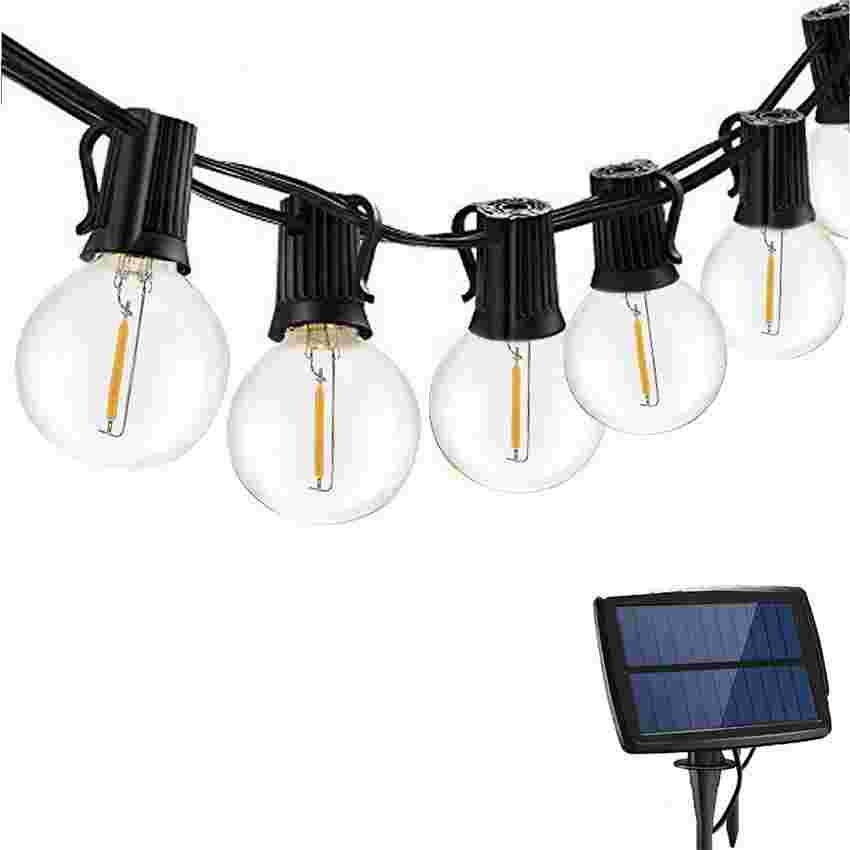
At the core of solar-powered lighting is photovoltaic technology, which converts sunlight into electricity. This process involves the use of solar panels, which are comprised of multiple photovoltaic cells that capture sunlight and convert it into direct current (DC) electricity. These solar panels are typically made of semiconductor materials such as silicon, which have the ability to release electrons when exposed to sunlight. The movement of these electrons generates an electric current, which can then be used to power lighting fixtures.
One of the key components of solar-powered lighting systems is the rechargeable battery. During the day, when sunlight is abundant, the solar panels generate electricity, which is used to charge the battery. This stored energy is then used to power the lighting fixtures during the night or in low-light conditions. By utilizing rechargeable batteries, solar-powered lighting systems can operate independently of the grid, making them suitable for remote or off-grid locations.
The integration of light-emitting diodes (LEDs) in solar-powered lighting fixtures has further enhanced their efficiency and performance. LEDs are highly energy-efficient and have a longer lifespan compared to traditional incandescent or fluorescent bulbs. When combined with solar power, LEDs can provide bright and reliable illumination while consuming minimal energy. This makes solar-powered LED lighting an ideal choice for pathways, gardens, streetlights, and other outdoor applications.

The control system of solar-powered lighting regulates the charging of the battery and the operation of the LED fixtures. It includes components such as charge controllers, which prevent overcharging and ensure that the battery is properly maintained. These smart control systems also feature sensors that can detect ambient light levels, allowing the lights to automatically turn on at dusk and off at dawn, conserving energy and ensuring optimal performance.
In addition to its sustainable energy source, solar-powered lighting offers other environmental and practical benefits. It reduces reliance on traditional grid electricity, lowering carbon emissions and decreasing the demand for non-renewable resources. Solar-powered lighting also contributes to safety and security by providing illumination in areas where grid electricity may not be available, improving visibility and deterring potential crime.
As solar technology continues to advance, the potential applications of solar-powered lighting are expanding. From residential and commercial properties to public spaces and infrastructure, the versatility and reliability of solar-powered lighting make it a viable and cost-effective solution for a wide range of lighting needs. As awareness of environmental sustainability grows, solar-powered lighting is poised to play a significant role in creating more energy-efficient and eco-friendly communities around the world.

In conclusion, the principles of solar-powered lighting are grounded in the efficient conversion of sunlight into electricity, the use of rechargeable batteries for energy storage, the integration of LEDs for reliable illumination, and intelligent control systems for optimal performance. By harnessing the power of the sun, solar-powered lighting offers a sustainable, clean, and cost-effective solution for lighting our surroundings, while reducing our environmental impact and dependence on conventional energy sources.






viber

skype

whatApp

telegram
 Chinese
 English
 Arabic
 France
 Spain
Spain
 Portugal