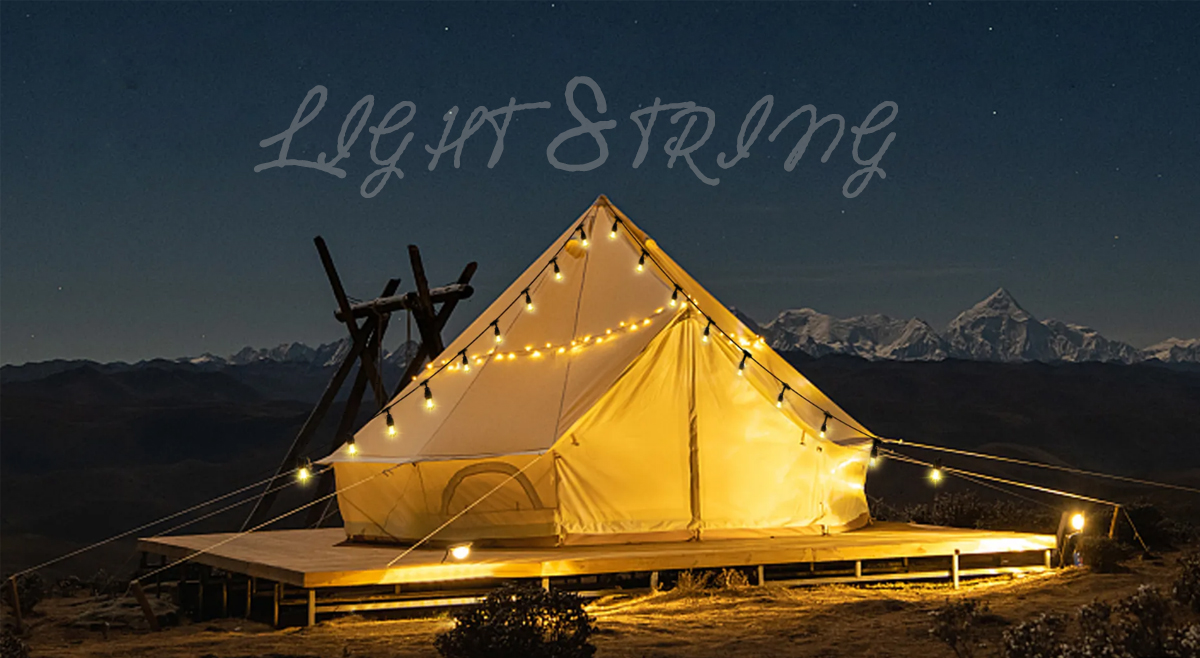

Understanding the Limitations of Solar-Powered Lights
Solar-powered lights have gained popularity as a sustainable and energy-efficient alternative for outdoor lighting. However, many users have noticed that these lights only stay on for a limited time, often around two hours. This can be frustrating, especially for those who are looking for reliable and long-lasting outdoor lighting solutions.

To understand this limitation, it's essential to delve into the technical and environmental factors that affect the performance of solar-powered lights. While these lights offer numerous benefits, such as reduced energy consumption and lower utility costs, they also come with certain limitations.
The primary factor influencing the duration of solar-powered lights is the capacity of their batteries. These lights rely on rechargeable batteries to store the energy accumulated from solar panels during the day. When the sun sets, the batteries power the lights, but their capacity ultimately determines how long the lights can stay illuminated.
Another crucial consideration is the quality and efficiency of the solar panels. Higher-quality panels are more effective at capturing and converting sunlight into electricity, which directly affects the runtime of the lights. In some cases, low-quality or outdated panels may not be able to generate enough power to sustain the lights for a longer duration.

Furthermore, environmental conditions play a significant role in the performance of solar-powered lights. Cloudy or overcast weather can reduce the amount of sunlight reaching the panels, leading to insufficient energy storage. Similarly, locations with frequent shade or limited daylight hours may not provide optimal conditions for solar lighting.
To maximize the effectiveness of solar-powered lights, there are several practical steps that users can take. Firstly, selecting lights with high-capacity batteries and efficient solar panels can significantly extend their runtime. Additionally, placing the lights in areas with ample sunlight exposure and avoiding obstructions such as trees or buildings can help optimize their performance.
It's also important to manage expectations and consider solar-powered lights as supplemental rather than primary sources of outdoor lighting. By combining them with other energy-efficient solutions, such as LED bulbs or motion sensors, users can create a well-rounded and dependable lighting setup.

In conclusion, the limited duration of solar-powered lights can be attributed to factors such as battery capacity, solar panel efficiency, and environmental conditions. By understanding these limitations and implementing practical strategies, users can make the most of solar lighting while embracing sustainability and energy efficiency. With careful consideration and effective usage, solar-powered lights can continue to be a valuable and environmentally-friendly choice for outdoor lighting.






viber

skype

whatApp

telegram
 Chinese
 English
 Arabic
 France
 Spain
Spain
 Portugal