
Troubleshooting Guide for Solar Lights That Are Not Working
Solar lights are a convenient and eco-friendly way to illuminate outdoor spaces, but sometimes they may fail to light up as expected. If you're experiencing this issue, there are several common problems that may be causing it. In this guide, we'll take a look at some of the most common reasons why solar lights may not be working and provide you with troubleshooting tips to fix them.
1. Check the Solar Panel
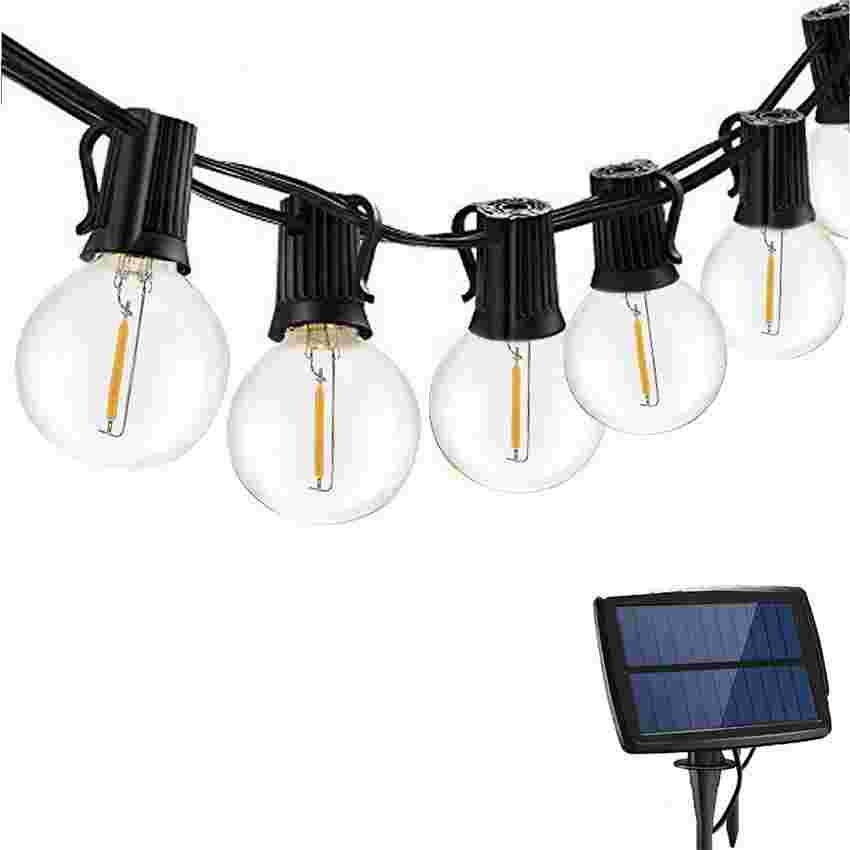
The solar panel is responsible for collecting sunlight and converting it into energy to power the light. If the panel is dirty, obstructed, or damaged, it may not be able to generate enough power to illuminate the light. Inspect the solar panel for any dirt, debris, or obstructions, and clean it if necessary. Also, ensure that the panel is positioned in a location that receives adequate sunlight throughout the day.
2. Examine the Batteries

Most solar lights are equipped with rechargeable batteries that store the energy collected from the solar panel. If the batteries are old, worn out, or improperly installed, the light may not turn on. Check the condition of the batteries and replace them if necessary. Make sure to follow the manufacturer's instructions for proper battery installation.
3. Inspect the Light Bulb
In some cases, the problem may be as simple as a faulty light bulb. Inspect the bulb to see if it's burned out or damaged. If so, replace it with a new one of the same type and wattage as recommended by the manufacturer.

4. Verify the On/Off Switch
It may seem obvious, but sometimes the on/off switch may be accidentally turned off, preventing the light from working. Double-check the switch to ensure it's in the "on" position.
5. Test the Sensor
Solar lights often come with a built-in sensor that activates the light when it detects darkness. If the sensor is malfunctioning, it may not trigger the light to turn on at night. Test the sensor by covering it with a dark cloth or manually simulating darkness to see if the light activates.
6. Assess the Weather Conditions
Inclement weather, such as heavy rain, snow, or overcast skies, can affect the performance of solar lights. If the weather has been particularly adverse, it may have disrupted the charging and operation of the lights. Allow the lights to fully charge in direct sunlight and give them some time to reset and resume normal operation.
7. Consult the Manufacturer's Instructions
If you've tried all of the above troubleshooting steps and your solar lights are still not working, refer to the manufacturer's instructions for additional guidance. There may be specific troubleshooting tips or warranty information that can help you resolve the issue.
In conclusion, if your solar lights are not turning on, there are several potential issues that may be causing this problem. By following the troubleshooting tips outlined in this guide, you can identify the source of the problem and take the necessary steps to get your solar lights working again. With proper maintenance and care, your solar lights can continue to provide reliable and sustainable lighting for your outdoor spaces.






viber

skype

whatApp

telegram
 Chinese
 English
 Arabic
 France
 Spain
Spain
 Portugal