

Troubleshooting Guide for Solar Lights That Are Not Turning on
Solar lights are a popular and environmentally friendly lighting option for many homeowners and businesses. However, it can be frustrating when your solar lights are properly installed and well-maintained, but they are not turning on as expected. If you find yourself facing this issue, there are several potential reasons for the problem, along with some troubleshooting tips to help you identify and resolve the issue.

1. Check the Solar Panel
The solar panel is a crucial component of a solar light system, as it absorbs sunlight and converts it into electricity to power the light. If the solar panel is dirty, obstructed, or damaged, it may not be able to generate enough power to turn on the light. To troubleshoot this issue, carefully inspect the solar panel for any dirt, debris, or physical damage. If necessary, clean the panel with a soft cloth and mild detergent, ensuring that it is exposed to direct sunlight without any obstructions.
2. Examine the Battery
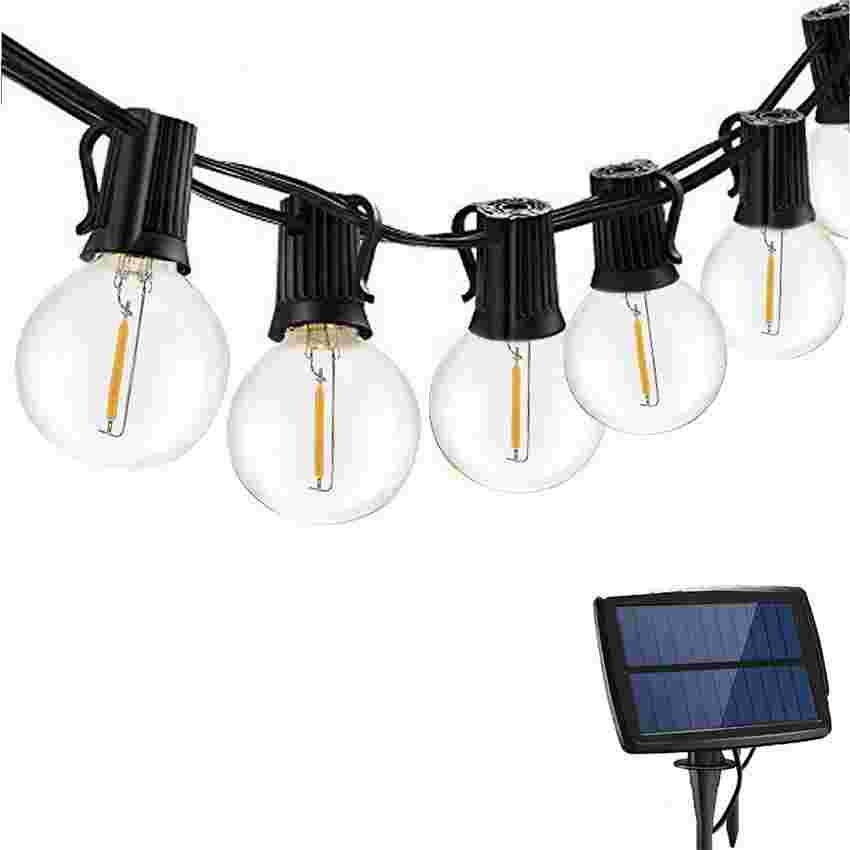
Another common reason for solar lights not turning on is a faulty or depleted battery. Over time, the battery in a solar light system may lose its ability to hold a charge, especially if it has not been properly maintained or replaced when necessary. Check the battery for any signs of corrosion, leakage, or physical damage. If the battery appears to be in good condition, use a multimeter to test its voltage. If the voltage is lower than the specified range, it may be time to replace the battery with a new one.
3. Inspect the LED Bulbs
The LED bulbs in a solar light are designed to provide efficient and long-lasting illumination. However, if the LED bulbs are burned out or damaged, the light may not turn on. Carefully inspect the LED bulbs for any signs of discoloration, physical damage, or malfunction. If necessary, replace the LED bulbs with new ones that are compatible with your solar light system. Additionally, ensure that the LED bulbs are securely connected to the wiring and other electrical components.

4. Test the Light Sensor
Most solar lights are equipped with a light sensor that automatically activates the light when it detects low light conditions. If the light sensor is not functioning properly, the light may not turn on at the desired time. To test the light sensor, cover it with a dark cloth or place the solar light in a dark environment. If the light turns on after covering the sensor, the sensor is likely working as intended. If not, adjust the sensor's positioning or sensitivity according to the manufacturer's instructions.
5. Ensure Proper Installation
In some cases, solar lights may not turn on due to improper installation or placement. Ensure that the solar panel is positioned to receive maximum sunlight throughout the day, and that the light is not obstructed by any objects or structures. Additionally, check the wiring and connections to ensure that they are secure and properly attached to each component of the solar light system.
By systematically troubleshooting these potential reasons for solar lights not turning on, you can identify and resolve the issue to ensure that your solar lighting system functions as intended. Regular maintenance and occasional inspections can also help prevent such issues from occurring in the future.
In conclusion, solar lights are an energy-efficient and sustainable lighting solution for various outdoor areas. By understanding the potential reasons for solar lights not turning on and implementing the appropriate troubleshooting tips, you can enjoy reliable and effective illumination powered by solar energy.
If you've tried all the troubleshooting tips and your solar lights are still not turning on, consider consulting a professional solar lighting technician for further assistance.
Remember, maintaining your solar lights properly can promote their longevity and performance, contributing to a greener and more sustainable environment for all.






viber

skype

whatApp

telegram
 Chinese
 English
 Arabic
 France
 Spain
Spain
 Portugal