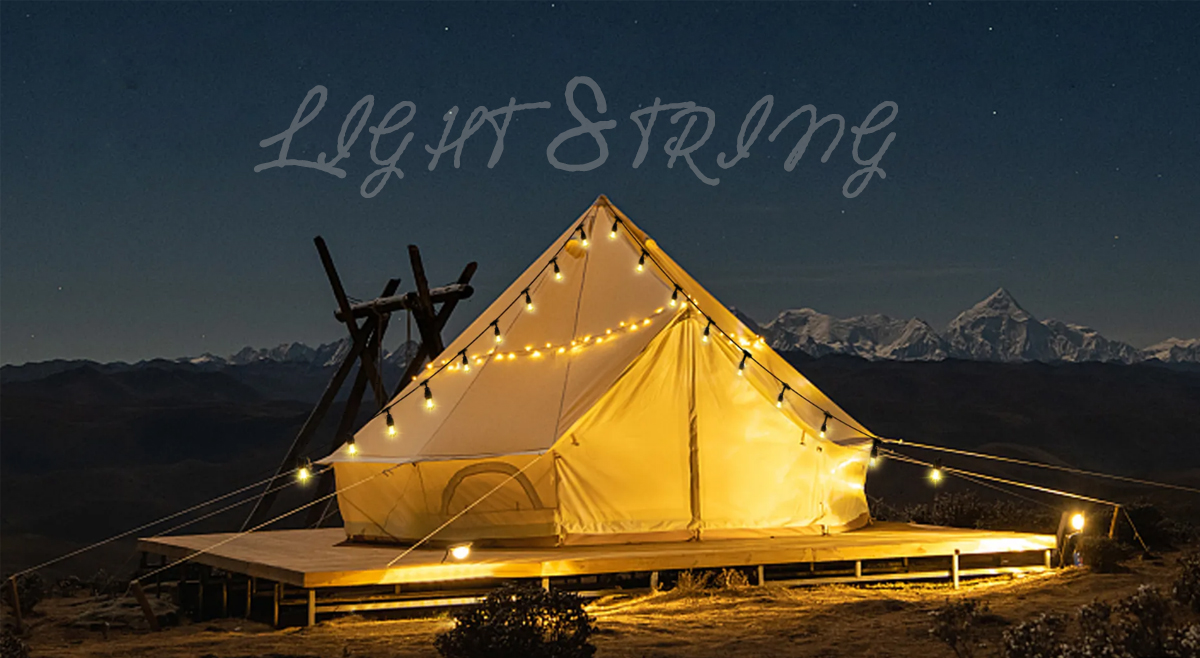

Troubleshooting for Non-Functioning Solar Lights
Solar lights have become a popular and eco-friendly option for outdoor lighting. They harness the power of the sun to charge during the day and illuminate your outdoor space at night. However, sometimes you may encounter the issue of your solar lights not turning on. There can be several reasons for this problem, but with some troubleshooting, you can often get them shining again in no time. Here are some common issues and their potential solutions for non-functioning solar lights.

1. Check the Positioning:
One of the most common issues with solar lights not working is improper positioning. Make sure that the solar panel on the light is placed in a location where it can receive direct sunlight throughout the day. Obstructions such as trees, buildings, or even dirt and debris can prevent the solar panel from charging effectively.
2. Clean the Solar Panels:
Over time, dirt, dust, and other debris can accumulate on the surface of the solar panels, blocking the sunlight from reaching them. Regularly cleaning the solar panels with a soft cloth and some soapy water can help improve their efficiency in charging.
3. Replace the Batteries:
If your solar lights are not turning on, it could be due to old or faulty batteries. Rechargeable batteries have a lifespan, and they may need to be replaced after a few years. Open up the solar light and check the condition of the batteries. If they appear corroded or worn out, consider replacing them with new ones.

4. Test the Switch and Connections:
Sometimes, the issue might be as simple as a loose connection or a faulty switch. Check the connections between the solar panel, batteries, and LED lights to ensure they are secure and free of corrosion. Toggle the on/off switch to see if it's functioning properly.
5. Inspect for Water Damage:
Exposure to moisture from rain or snow can sometimes lead to water damage in the solar lights. Inspect the internal components for any signs of water damage, such as rust or corrosion. If found, dry out the affected parts and seal any cracks or openings to prevent further damage.
6. Consider Environmental Factors:
In some cases, external factors such as extremely low temperatures or overcast weather can affect the performance of solar lights. During prolonged periods of low sunlight, the batteries may not receive enough charge to power the lights at night. Consider bringing the solar lights indoors during such conditions or supplementing with traditional lighting options.
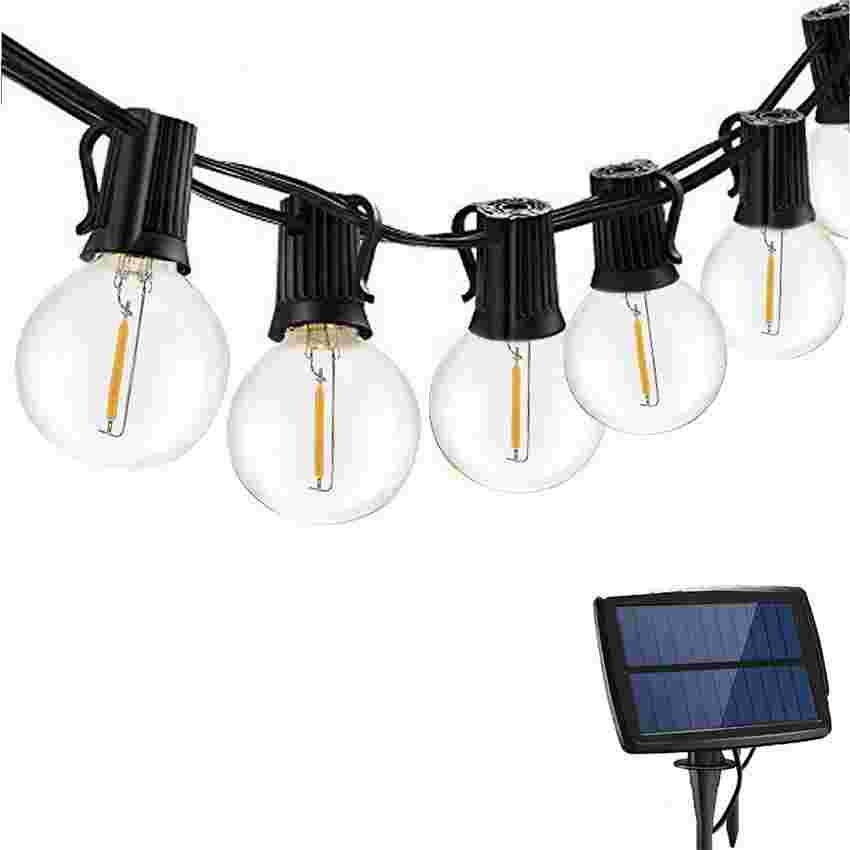
By troubleshooting these common issues, you can often identify the cause of non-functioning solar lights and take the necessary steps to resolve them. Remember to follow the manufacturer's guidelines for maintenance and care of your solar lights to ensure their optimal performance. With proper care and attention, your solar lights can continue to brighten up your outdoor spaces for years to come.






viber

skype

whatApp

telegram
 Chinese
 English
 Arabic
 France
 Spain
Spain
 Portugal