

Tips for Adjusting the Timing of Solar Lights to Turn on Earlier Every Night
When it comes to outdoor lighting, solar lights are a popular choice for their energy efficiency and sustainable operation. However, one common issue that solar light owners may encounter is that their lights don't turn on early enough in the evening. Luckily, there are several simple steps you can take to adjust the timing of your solar lights so that they illuminate your outdoor space sooner.

Here are some tips for adjusting the timing of your solar lights to ensure they turn on earlier every night:
1. Understand the Solar Light Timing System:
Before making any adjustments, it's important to understand how the timing system of your solar lights works. Most solar lights contain a light sensor that detects when it becomes dark and triggers the lights to turn on. Additionally, they may also have a programmable timer that dictates when the lights should activate.

2. Locate the Timer Control:
If your solar lights have a programmable timer, the first step is to locate the timer control. This is typically found on the back panel of the solar light or inside the battery compartment. Refer to the user manual for specific instructions on how to access and adjust the timer settings.
3. Adjust the Timer Settings:
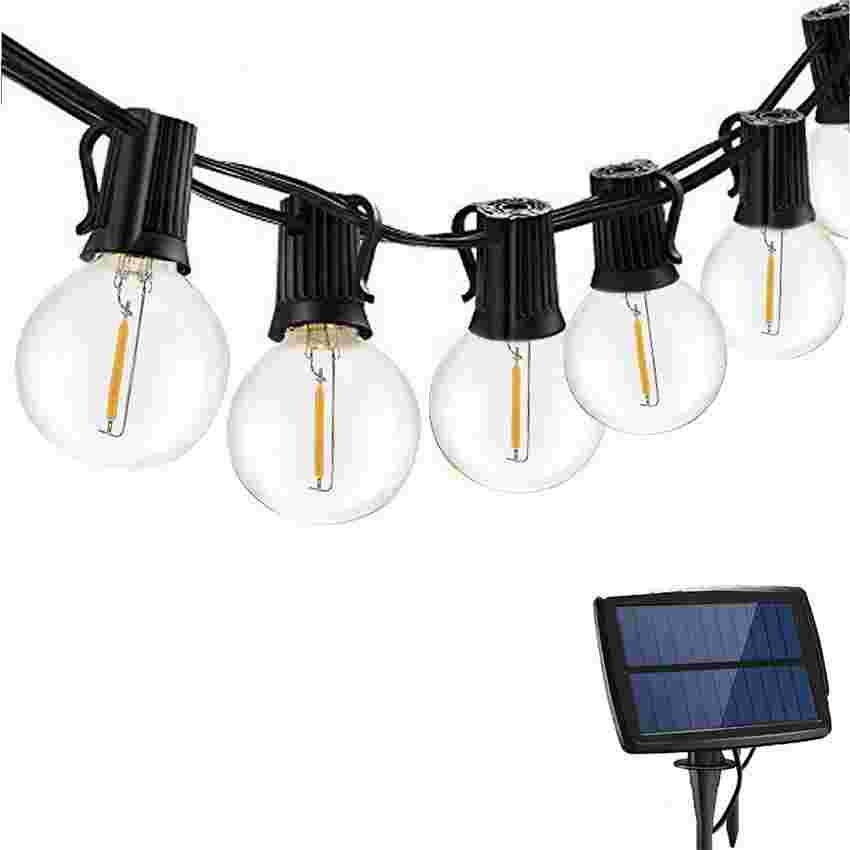
Once you've located the timer control, you can begin adjusting the settings to make the lights turn on earlier. Depending on the model of your solar lights, you may be able to simply turn a dial to set the desired activation time. For more advanced models, you may need to use a digital interface to input the specific time you want the lights to turn on.
4. Consider the Solar Panel Position:
In addition to adjusting the timer settings, you should also consider the position of the solar panel. Ensure that the solar panel is receiving maximum sunlight exposure during the day to maximize its energy absorption and storage. Proper positioning can help improve the overall performance of your solar lights, allowing them to turn on earlier and stay illuminated for longer.
5. Regularly Monitor and Adjust:
After making initial adjustments to the timing of your solar lights, it's important to regularly monitor their performance. As the seasons change and daylight hours fluctuate, you may need to readjust the timer settings to ensure that the lights continue to turn on at an optimal time each evening.
By following these tips, you can effectively adjust the timing of your solar lights to ensure they turn on earlier every night. Not only will this enhance the visibility and security of your outdoor space, but it will also improve the energy efficiency of your solar lighting system. With a few simple adjustments, you can make the most of your solar lights and enjoy sustainable, renewable illumination throughout the year.
In conclusion, optimizing the timing of your solar lights is a straightforward process that can yield significant benefits in terms of energy efficiency and performance. By understanding the timing system, adjusting the timer settings, considering solar panel positioning, and regularly monitoring performance, you can ensure that your solar lights illuminate your outdoor space at the ideal time each night. Embracing sustainable lighting solutions not only reduces energy consumption but also contributes to a greener, more environmentally friendly future.






viber

skype

whatApp

telegram
 Chinese
 English
 Arabic
 France
 Spain
Spain
 Portugal