

The Working Principle of Solar Powered Charging Lamps
Solar powered charging lamps, also known as solar energy lamps, are becoming increasingly popular in today's environmentally conscious world. These innovative lamps harness the power of the sun to generate electricity, providing a sustainable and cost-effective lighting solution. In this article, we will explore the working principle of solar powered charging lamps and understand how they operate.

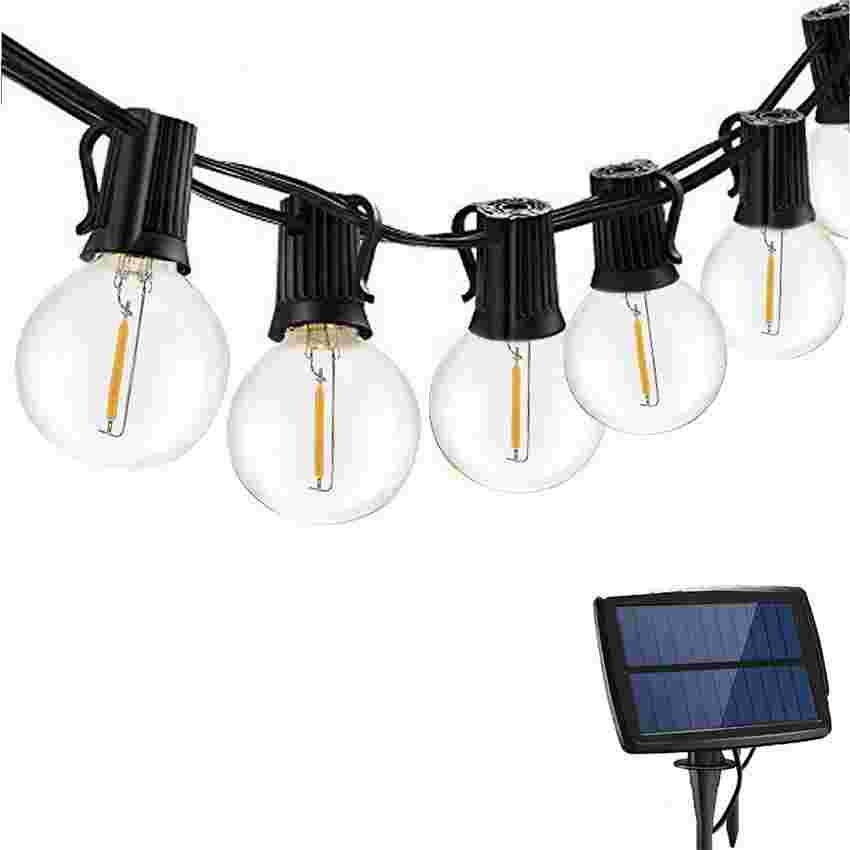
The basic components of a solar powered charging lamp include a photovoltaic cell, a battery, and an LED light. The photovoltaic cell, commonly known as a solar panel, is responsible for capturing sunlight and converting it into electricity. When sunlight hits the solar panel, the photons in the light create an electric current in the panel's semiconductor material. This current is then channeled to the battery for storage.
The battery in a solar powered charging lamp serves as a reservoir for storing the electricity generated by the solar panel. This stored energy is crucial for ensuring that the lamp can operate even when there is no sunlight, such as during nighttime or cloudy weather. The battery is typically a rechargeable lithium-ion or lead-acid battery, which offers a long lifespan and can withstand multiple charge-discharge cycles.
In addition to the solar panel and battery, a solar powered charging lamp also features an LED light. LED lights are highly efficient and consume minimal power, making them an ideal choice for solar powered applications. When the sun sets or the light levels drop below a certain threshold, the LED light is automatically activated, drawing power from the stored energy in the battery.

The operation of a solar powered charging lamp is governed by an intelligent control system that regulates the charging and discharging of the battery, as well as the activation of the LED light. This control system comprises a charge controller, which manages the flow of electricity from the solar panel to the battery, and a light sensor, which detects changes in ambient light levels and triggers the LED light accordingly.
When the solar powered charging lamp is exposed to sunlight, the charge controller optimizes the charging process to ensure that the battery is charged to its maximum capacity without overcharging. Conversely, when the ambient light decreases, the light sensor signals the LED light to illuminate, providing the necessary illumination for tasks or activities in the vicinity of the lamp.
In summary, the working principle of solar powered charging lamps revolves around the efficient conversion of solar energy into electricity, the storage of this electricity in a rechargeable battery, and the use of LED lights for illumination. This innovative lighting solution offers numerous benefits, including reduced dependence on grid electricity, lower energy costs, and minimal environmental impact. As solar technology continues to advance, solar powered charging lamps will undoubtedly play a pivotal role in promoting sustainable energy usage and reducing carbon emissions.






viber

skype

whatApp

telegram
 Chinese
 English
 Arabic
 France
 Spain
Spain
 Portugal