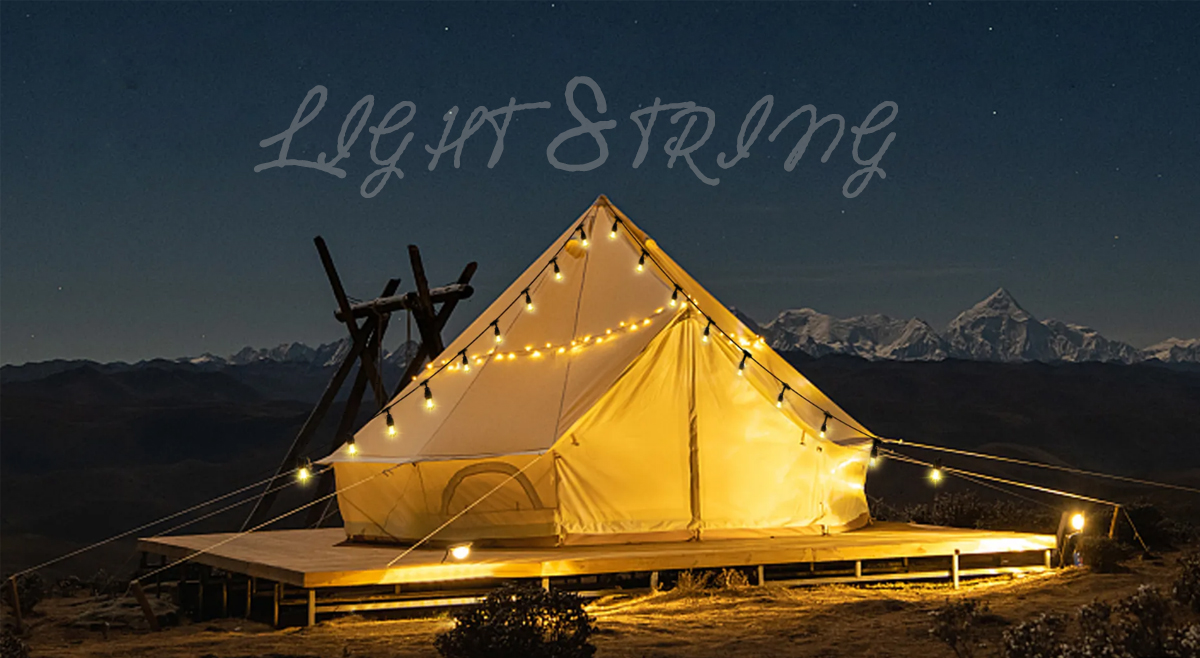

The Step-by-Step Guide to Connecting a Light Bulb to a Solar Panel
When it comes to harnessing renewable energy, solar power is one of the most accessible and widely used sources. One of the most common ways to utilize solar energy is by using solar panels to generate electricity. In this article, we will provide a detailed step-by-step guide on how to connect a light bulb to a solar panel, allowing you to utilize solar energy for lighting in an easy and practical way.

Step 1: Gather the Necessary Materials
The first step in connecting a light bulb to a solar panel is to gather all the necessary materials. These materials include a solar panel, a rechargeable battery, a solar charge controller, an inverter, and a light bulb socket with wires.
Step 2: Connect the Solar Panel to the Charge Controller

Once you have all the materials ready, the next step is to connect the solar panel to the solar charge controller. The solar charge controller regulates the voltage and current from the solar panel to the battery, preventing overcharging and prolonging the battery's life. Connect the positive and negative terminals of the solar panel to the corresponding terminals on the charge controller.
Step 3: Connect the Charge Controller to the Battery
After connecting the solar panel to the charge controller, the next step is to connect the charge controller to the rechargeable battery. Make sure to connect the positive and negative terminals of the battery to the corresponding terminals on the charge controller. This will allow the battery to store the electricity generated by the solar panel.

Step 4: Connect the Battery to the Inverter
Once the battery is connected to the charge controller, the next step is to connect the battery to the inverter. The inverter converts the direct current (DC) electricity from the battery into alternating current (AC) electricity, which is what most household appliances, including light bulbs, use. Connect the positive and negative terminals of the battery to the corresponding terminals on the inverter.
Step 5: Connect the Inverter to the Light Bulb Socket
The final step in connecting a light bulb to a solar panel is to connect the inverter to the light bulb socket. This step involves connecting the positive and negative terminals of the inverter to the corresponding terminals on the light bulb socket with wires. Once the connections are made, the light bulb should light up when the inverter is turned on, indicating that it is successfully connected to the solar panel.
By following these simple steps, you can easily connect a light bulb to a solar panel and harness the power of solar energy for lighting. Not only is this a practical way to utilize renewable energy, but it also allows for cost savings on electricity bills and contributes to reducing carbon emissions. So why not give it a try and start enjoying the benefits of solar-powered lighting in your home or outdoor space?





viber

skype

whatApp

telegram
 Chinese
 English
 Arabic
 France
 Spain
Spain
 Portugal