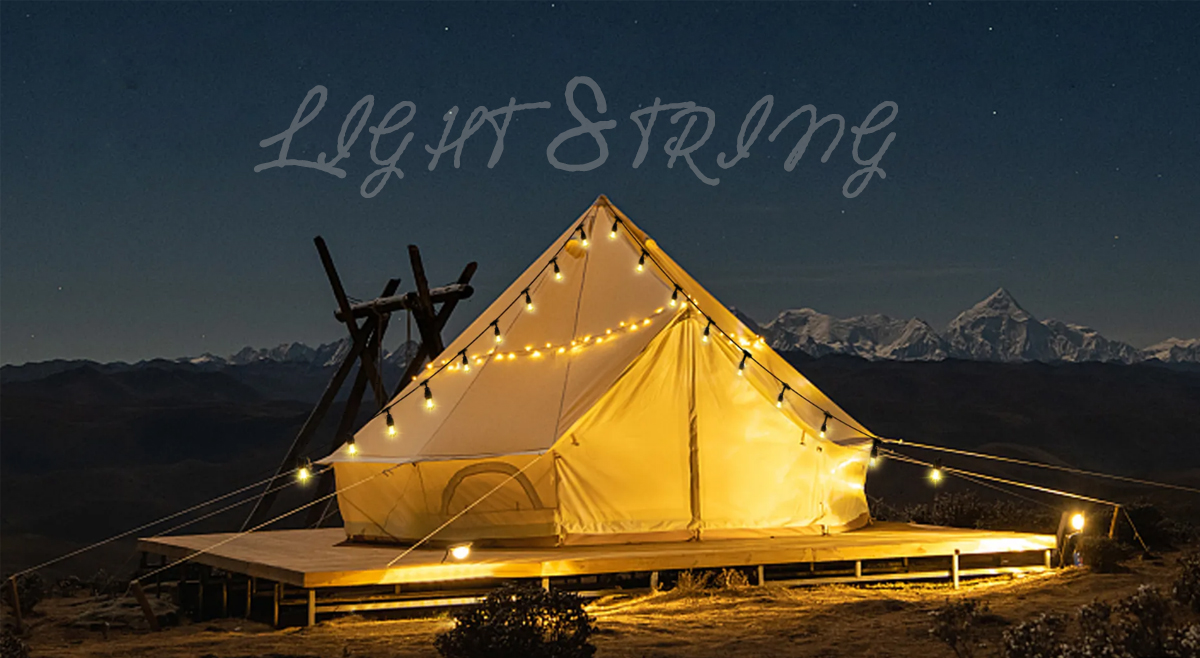

The Dilemma of Having Solar Lights and Sleepless Nights
Solar lights have become a popular choice for many households and outdoor spaces due to their energy-saving and sustainable nature. These lights are powered by the sun, which makes them an environmentally friendly alternative to traditional lighting. However, as beneficial as they are for the environment and energy consumption, there is a side effect that is often overlooked - the potential to disrupt sleep patterns. The bright and constant illumination of solar lights throughout the night may inadvertently cause sleep disturbances for some individuals.

The human body's circadian rhythm, also known as the body's internal clock, is influenced by exposure to light and darkness. Natural sunlight helps regulate this rhythm, signaling our bodies to stay awake during the day and to rest at night. However, when artificial light, such as that emitted by solar lights, interferes with this natural cycle, it can lead to difficulties in falling asleep, staying asleep, and obtaining restful sleep. This phenomenon has been a topic of concern and discussion for those who have experienced the sleep-disrupting effects of solar lights.
While the intention behind using solar lights is to promote sustainability and provide illumination during nighttime hours, it's essential to consider the potential impact on sleep quality. Finding a balance between the benefits of energy-efficient lighting and the need for uninterrupted sleep is a key consideration for individuals and communities utilizing solar lights.
One approach to mitigating the potential negative effects of solar lights on sleep is to implement adjustable or motion-sensing features. This allows for the lights to dim or activate only when necessary, reducing overall light exposure during the night. Additionally, utilizing shields or diffusers to direct light in specific areas can minimize light pollution and lessen the impact on nearby sleeping quarters.

As our society continues to prioritize sustainable and eco-friendly practices, it's crucial to address the unintended consequences that may arise. Acknowledging the potential impact of solar lights on sleep patterns can lead to the development of innovative solutions and considerations when implementing these lighting systems. By prioritizing both environmental sustainability and sleep quality, it is possible to find a harmonious balance that benefits both individuals and the planet.






viber

skype

whatApp

telegram
 Chinese
 English
 Arabic
 France
 Spain
Spain
 Portugal