

Reasons Why Solar Lights Fail to Charge
Solar lights are a popular, environmentally friendly lighting option that harnesses the power of the sun to provide illumination. However, there are times when these lights may fail to charge despite ample sunlight exposure. In this article, we will explore the common reasons behind this issue and provide potential solutions.

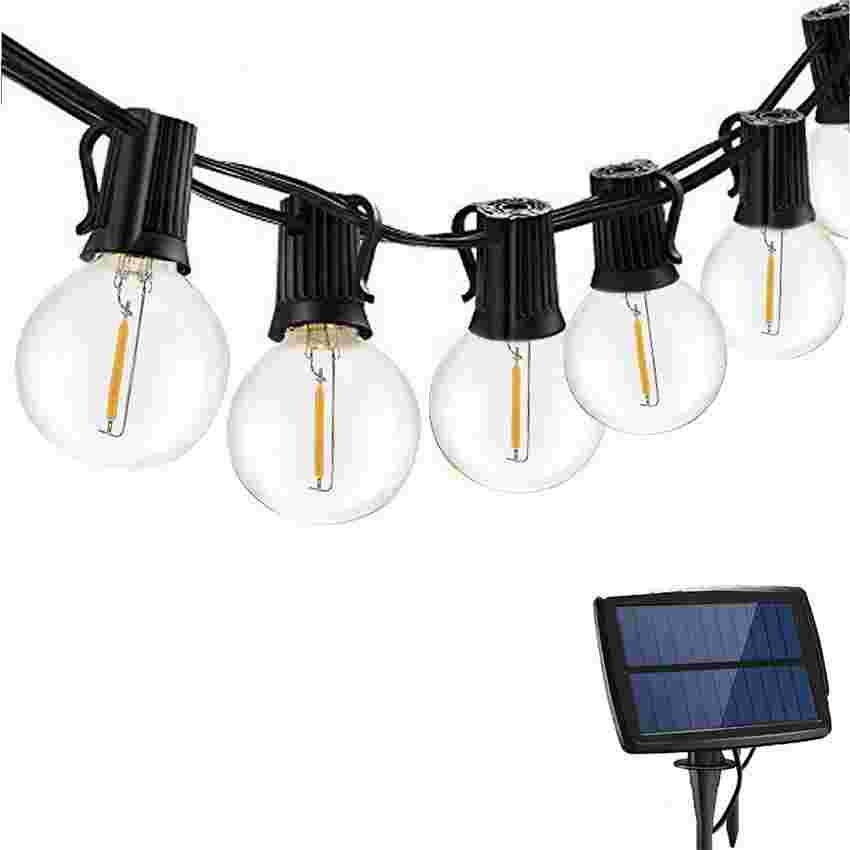
One of the primary reasons why solar lights may fail to charge is due to a faulty or obstructed solar panel. If the panel is covered with dust, dirt, or debris, it will hinder the absorption of sunlight, leading to insufficient charging. Regular cleaning and maintenance of the solar panel can help mitigate this issue and ensure optimal charging performance.
Another common issue that can impede the charging process is a malfunctioning battery. Over time, the battery in a solar light may degrade, leading to reduced charging capacity. In some cases, the battery may need to be replaced to restore the light's charging capabilities. Regular inspection and replacement of old batteries can help prevent charging failures.
Additionally, poor placement of the solar light can also contribute to charging issues. If the light is installed in a shaded area or in a location with limited sunlight exposure, it will struggle to charge effectively. Proper placement of the solar light in an area with direct sunlight is crucial for optimal charging performance.

Furthermore, environmental factors such as overcast weather or long periods of rainfall can also impact the charging efficiency of solar lights. During extended periods of cloudy weather, solar lights may not receive enough sunlight to fully charge, leading to dim or non-functional lights. While this issue is beyond the control of the user, it is important to be aware of the impact that weather conditions can have on solar light charging.
Lastly, outdated or damaged components within the solar light itself can also cause charging failures. In some cases, the wiring or circuitry within the light may be damaged, preventing the proper flow of electricity and hindering the charging process. Regular inspection and maintenance of the internal components can help identify and address any potential issues.
In conclusion, there are several common reasons why solar lights may fail to charge, ranging from obstructed solar panels to malfunctioning batteries and poor placement. By understanding these potential issues and implementing proactive maintenance and care, users can ensure that their solar lights continue to function optimally. With proper attention and care, solar lights can provide reliable, sustainable illumination for years to come.






viber

skype

whatApp

telegram
 Chinese
 English
 Arabic
 France
 Spain
Spain
 Portugal