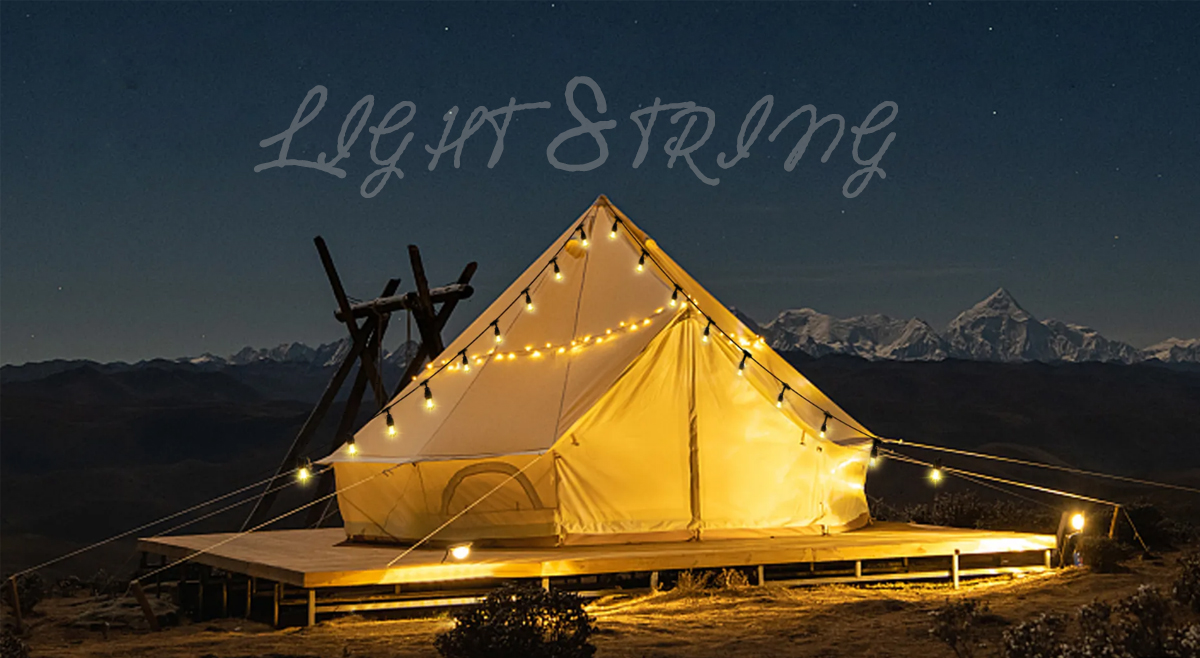

Impact of length of solar light lines
Solar energy is becoming an increasingly popular source of renewable energy, and solar lights are being utilized in various applications to harness the power of the sun. When it comes to installing solar lights, one factor that can significantly affect their performance is the length of the light lines.
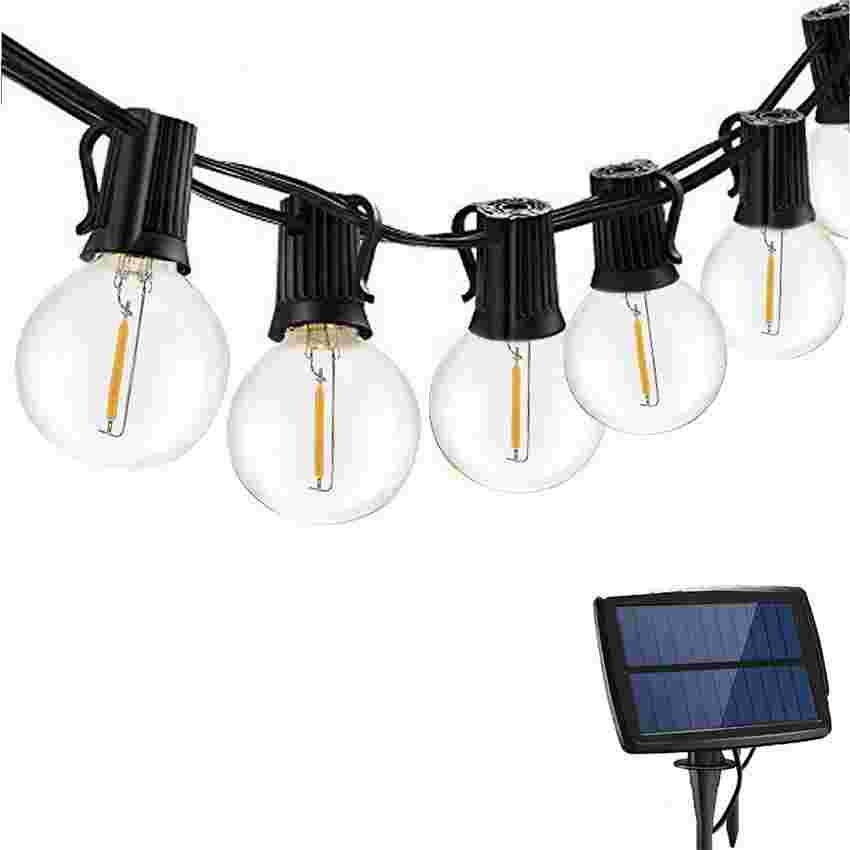
The length of solar light lines refers to the distance between the solar panel, which collects the sunlight, and the actual light fixture. This distance can vary depending on the specific application and the intended use of the lights. In this article, we will explore the impact of different line lengths on the performance of solar lights and discuss how to optimize their use.
One of the main considerations when it comes to the length of solar light lines is the efficiency of the solar panels. Solar panels are designed to capture sunlight and convert it into electricity, which is then used to power the light fixtures. The longer the distance between the solar panels and the lights, the greater the potential for energy loss. This is because the electricity generated by the solar panels has to travel a greater distance before reaching the lights, which can result in a drop in voltage and power loss.
In addition to efficiency, the length of solar light lines can also affect the effectiveness of the lights. A longer line length can lead to a decrease in the intensity of the light emitted by the fixtures, particularly if the distance is significant. This can impact the overall illumination provided by the lights and may result in uneven or inadequate lighting in the target area.

Furthermore, the length of solar light lines can also impact the installation and maintenance of the lights. Longer lines may require more complex installation processes and wiring, which can increase the overall cost and effort involved. In addition, maintenance and repairs for lights with longer lines may be more challenging, as access to the components may be more difficult.
To optimize the use of solar lights, it is important to carefully consider the length of the light lines based on the specific application and requirements. In some cases, shorter line lengths may be more suitable to ensure efficient energy transfer and optimal light performance. Alternatively, for larger areas or installations where longer line lengths are necessary, it is important to use high-quality wiring and components to minimize energy loss and maximize the overall effectiveness of the solar lights.
In conclusion, the length of solar light lines can have a significant impact on their efficiency and effectiveness. By carefully considering the implications of different line lengths and optimizing their use, it is possible to harness the full potential of solar lights and maximize their benefits. As the demand for sustainable and renewable energy sources continues to grow, the optimization of solar light installations will become increasingly important in creating a more sustainable and environmentally friendly future.






viber

skype

whatApp

telegram
 Chinese
 English
 Arabic
 France
 Spain
Spain
 Portugal