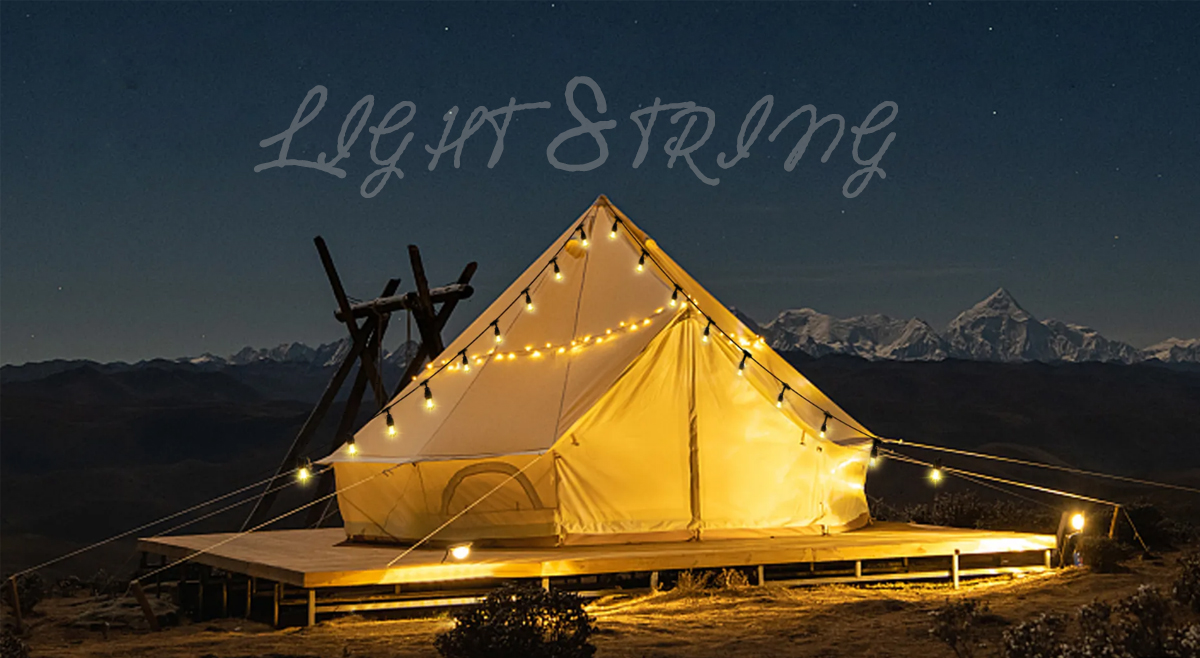

How to Properly Set Up Solar Lights
Solar lights are a popular and sustainable lighting option for outdoor spaces. With the advancement in technology, they have become more efficient and reliable, making them a great addition to any home or garden. Setting up solar lights may seem daunting at first, but with the right guidance, it can be a straightforward process. In this article, we will guide you through the steps to properly set up solar lights and make the most of solar energy.

1. Choose the Right Location
The first step in setting up solar lights is to choose the right location for installation. Solar lights require direct sunlight to charge effectively, so it's essential to place them in an area that receives ample sunlight throughout the day. Avoid placing them in shaded areas or under trees as this can hinder the charging process.
2. Assemble the Lights

Once you have chosen the location, it's time to assemble the solar lights. Most solar lights come with simple assembly instructions, so make sure to read them carefully. Typically, the assembly involves attaching the light fixture to the mounting pole or stake provided. Ensure that all the components are securely connected before proceeding to the next step.
3. Charge the Lights
Before installing the lights, it's crucial to charge them fully. This can be done by placing the solar panels in direct sunlight for at least 8-10 hours. Some solar lights may come with a pre-charged battery, but it's still recommended to give them a full charge before use to maximize their performance.

4. Install the Lights
With the lights fully charged, it's time to install them in the chosen location. If you're installing stake lights, simply insert the stakes into the ground until they are secure. For wall-mounted lights, follow the manufacturer's instructions for proper installation. Ensure that the solar panels are facing south or west to receive the most sunlight.
5. Test the Lights
Once the lights are installed, it's essential to test them to ensure that they are functioning correctly. Cover the solar panels to simulate darkness, and the lights should turn on automatically. If they don't, check the connections and ensure that the solar panels are not obstructed. Adjust the positioning if necessary to optimize sunlight exposure.
6. Maintenance and Care
After the lights are set up, it's essential to maintain them regularly for optimal performance. Keep the solar panels clean and free from dirt or debris, as this can affect their ability to charge. Additionally, replace the rechargeable batteries every 1-2 years to ensure that the lights continue to work efficiently.
In conclusion, setting up solar lights is a simple and sustainable way to add illumination to outdoor spaces. By following the steps outlined in this article, you can ensure that your solar lights are properly set up and able to harness solar energy effectively. With the right location, proper assembly, and regular maintenance, solar lights can provide reliable and eco-friendly lighting for years to come.






viber

skype

whatApp

telegram
 Chinese
 English
 Arabic
 France
 Spain
Spain
 Portugal