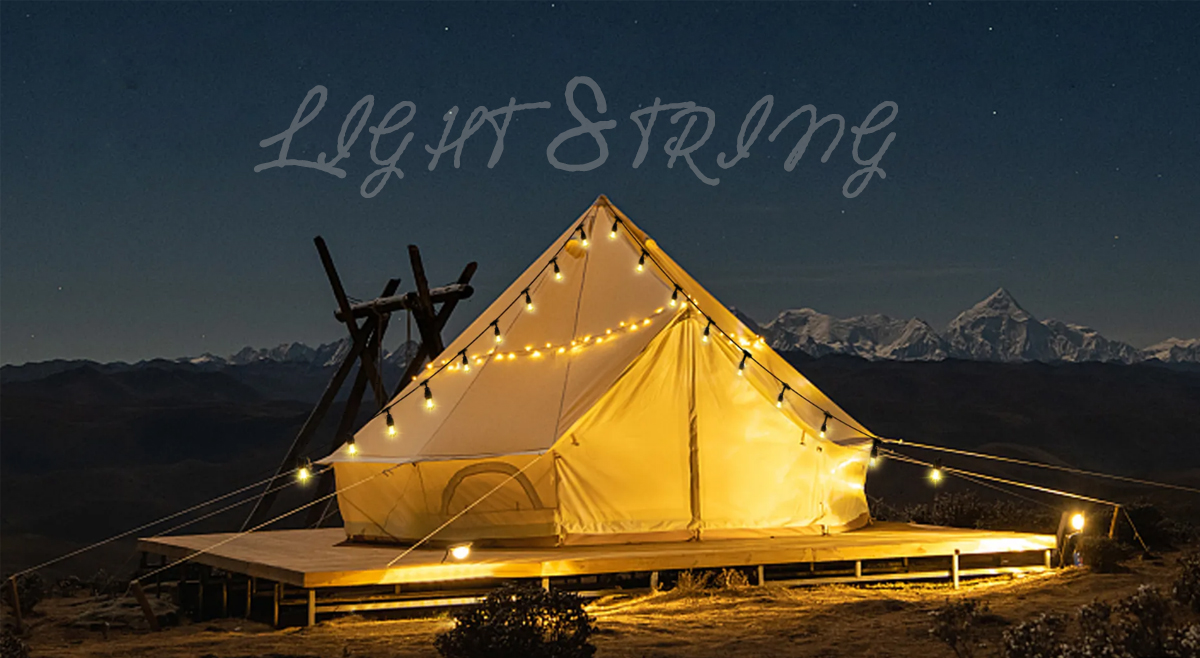

How to Control Solar Lights On and Off
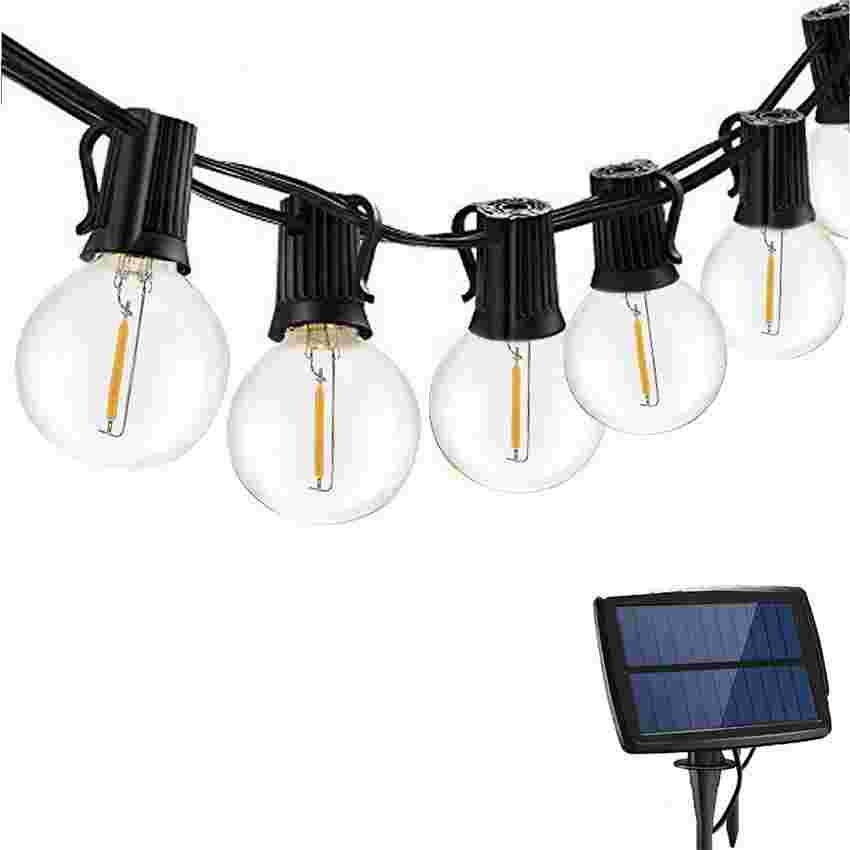
Solar lights are a convenient and energy-efficient way to illuminate outdoor spaces. Many people rely on solar lights to enhance their outdoor ambiance, while others use them for practical lighting purposes. One common question that arises among users of solar lights is how to control the lights to turn them on and. In this article, we will discuss different methods for controlling solar lights and provide an overview of the most common ways to manage their operation.
Method 1: Manual Switch
One of the simplest ways to control solar lights is by using a manual switch. Most solar lights come equipped with an on/off switch that allows users to manually turn the lights on and off. This method is straightforward and requires no technical knowledge. Users simply need to locate the switch on the solar light and toggle it to the desired setting. This method is suitable for individuals who prefer a hands-on approach to managing their solar lights.
Method 2: Remote Control
For those who want the convenience of controlling their solar lights from a distance, remote-controlled solar lights are an excellent option. These lights come with a remote control device that allows users to turn the lights on and off with the press of a button. Remote control solar lights are ideal for larger outdoor areas or for users who want the flexibility to control multiple lights simultaneously. This method provides a convenient way to manage solar lights without the need to physically access each light fixture.
Method 3: Timer Settings
Another popular method for controlling solar lights is by using timer settings. Many solar lights are equipped with built-in timers that allow users to program specific times for the lights to turn on and off. This feature is particularly useful for individuals who want their solar lights to operate automatically according to their preferred schedule. With timer settings, users can customize the lighting duration and save energy by ensuring that the lights only operate when needed.

Method 4: Motion Sensors
Some advanced solar lights are equipped with motion sensors that automatically turn the lights on when they detect movement and turn them off when the area is no longer occupied. Motion sensor solar lights are a practical choice for security and safety purposes, as they provide instant illumination when motion is detected. This method is also beneficial for conserving energy, as the lights only activate in response to movement, reducing unnecessary operation during idle times.
In conclusion, controlling solar lights to turn them on and off can be achieved through various methods, including manual switches, remote controls, timer settings, and motion sensors. Each method offers distinct advantages and flexibility for managing solar lights according to individual preferences and needs. By choosing the most suitable control method, users can maximize the convenience and efficiency of their solar lighting systems, enhancing their outdoor environments while conserving energy at the same time.






viber

skype

whatApp

telegram
 Chinese
 English
 Arabic
 France
 Spain
Spain
 Portugal