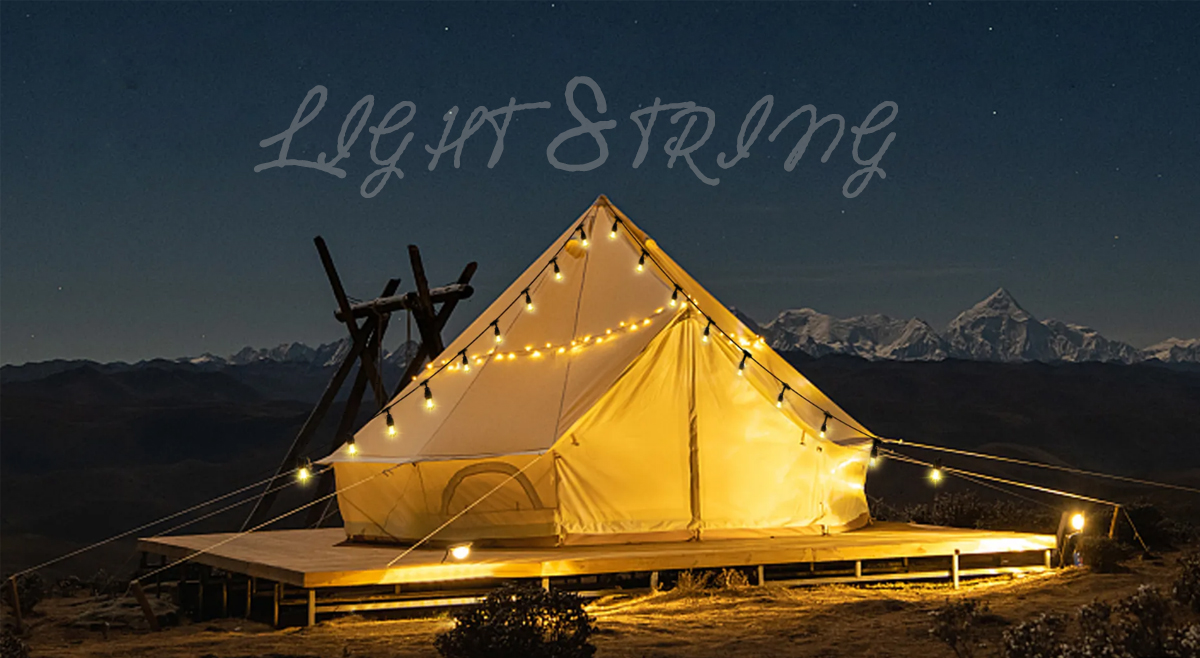

How to Connect Solar Panels to Lighting System
As the world continues to shift towards sustainable and renewable energy sources, the use of solar panels to power lighting systems has become increasingly popular. Connecting solar panels to a lighting system may seem like a daunting task, but with the right guidance, it can be a straightforward and rewarding process. In this article, we will provide a step-by-step guide on how to connect solar panels to a lighting system, ensuring that you can harness the full potential of solar energy for your lighting needs.

Step 1: Choose the Right Solar Panels
The first step in connecting solar panels to a lighting system is to choose the right solar panels for your specific needs. Consider factors such as the amount of sunlight your location receives, the power requirements of your lighting system, and the size and capacity of the solar panels. It is important to select high-quality solar panels that are durable and efficient in converting sunlight into electricity.
Step 2: Position the Solar Panels

Once you have chosen the right solar panels, the next step is to position them in a location that receives ample sunlight throughout the day. Ideally, solar panels should be installed on a rooftop or an elevated structure that is free from obstructions that could block sunlight. Proper positioning of solar panels is crucial to ensure maximum energy capture.
Step 3: Install Mounting Hardware
Before connecting the solar panels to the lighting system, it is essential to install the necessary mounting hardware to secure the panels in place. This may involve attaching mounting brackets to the surface where the panels will be installed and ensuring that they are securely fastened.

Step 4: Connect the Solar Panels
Once the solar panels are in position and the mounting hardware is installed, it is time to connect the panels to the lighting system. This is typically done using a charge controller, which regulates the flow of electricity from the solar panels to the lighting system, preventing overcharging and damage to the batteries. Follow the manufacturer's instructions for connecting the solar panels to the charge controller.
Step 5: Connect to the Lighting System
After the solar panels are connected to the charge controller, the next step is to connect the lighting system to the charge controller. This may involve wiring the charge controller to the lighting system's batteries and ensuring that the connections are secure and insulated to prevent any electrical hazards.
Step 6: Test the System
Once all the connections are in place, it is important to test the entire system to ensure that the solar panels are effectively powering the lighting system. Monitor the voltage and current output of the solar panels and verify that the lighting system is operating as intended. Make any necessary adjustments to the connections or settings to optimize the efficiency of the system.
By following these steps, you can successfully connect solar panels to a lighting system, harnessing the power of the sun to provide energy-efficient lighting for your home or business. With proper installation and maintenance, solar-powered lighting systems can offer sustainable and cost-effective solutions for your energy needs. Embrace the potential of solar energy and take the first steps towards a greener and more sustainable future.






viber

skype

whatApp

telegram
 Chinese
 English
 Arabic
 France
 Spain
Spain
 Portugal