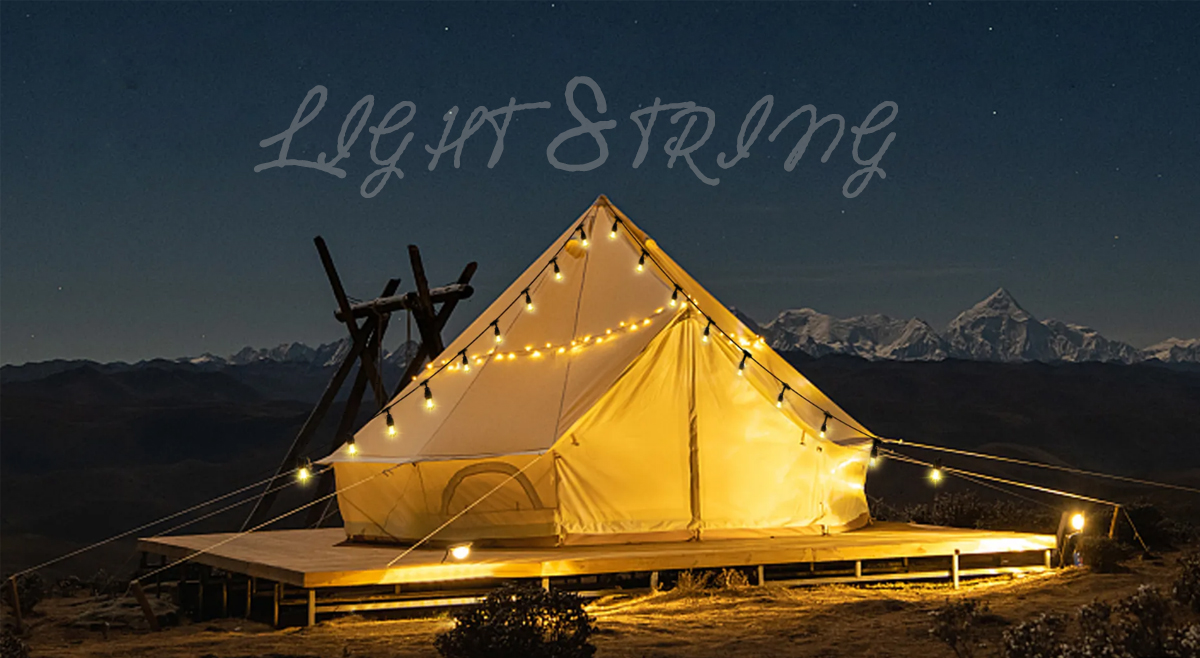

The Ultimate Guide to String Light Production Machines
String lights, also known as fairy lights or twinkle lights, are a popular decorative lighting option used in homes, businesses, and outdoor spaces. The process of manufacturing string lights involves several machines and equipment designed to automate and streamline the production process. In this guide, we will explore the different types of machines used in string light production and discuss the key factors to consider when investing in this equipment.

One of the key components in string light production is the LED light assembly machine. LED lights are the most common type of bulbs used in modern string lights, offering energy efficiency, long lifespan, and vibrant colors. The LED light assembly machine is responsible for automatically placing and soldering individual LED bulbs onto the string light's wire, ensuring consistent quality and precision.
In addition to the LED light assembly machine, the string light manufacturing process also involves a wire twisting and wrapping machine. This machine is used to accurately wrap the wire around the LED bulbs, creating the classic string light design. It is crucial for this machine to maintain a high level of accuracy and speed to keep up with the demand for string lights in the market.
Furthermore, the packaging and labeling of string lights are essential steps in the production process. Automated packaging machines are used to carefully wrap and seal the string lights in their packaging, while labeling machines print and apply product information, barcodes, and safety labels to the finished products. These machines ensure that the string lights are properly and attractively packaged for distribution and retail.

When considering investing in string light production machines, there are several factors to keep in mind. Firstly, it is important to assess the production capacity and speed of the machines to ensure they can meet your business's demand. Additionally, the reliability and accuracy of the machines, as well as their ease of maintenance and repair, should be thoroughly evaluated to minimize downtime and ensure consistent quality.
Another crucial consideration is the level of automation and customization offered by the machines. Automated production machines not only increase efficiency but also reduce the dependency on manual labor and the potential for human error. Customization options, such as the ability to produce different lengths and colors of string lights, can also be a valuable feature for catering to diverse market needs.
In conclusion, the production of string lights relies on a combination of specialized machines and equipment designed to streamline the manufacturing process. From LED light assembly machines to wire twisting and packaging equipment, each component plays a crucial role in achieving efficient and high-quality production. By carefully considering the factors outlined in this guide, businesses can make informed decisions when investing in string light production machines, ensuring a successful and sustainable manufacturing operation.






viber

skype

whatApp

telegram
 Chinese
 English
 Arabic
 France
 Spain
Spain
 Portugal