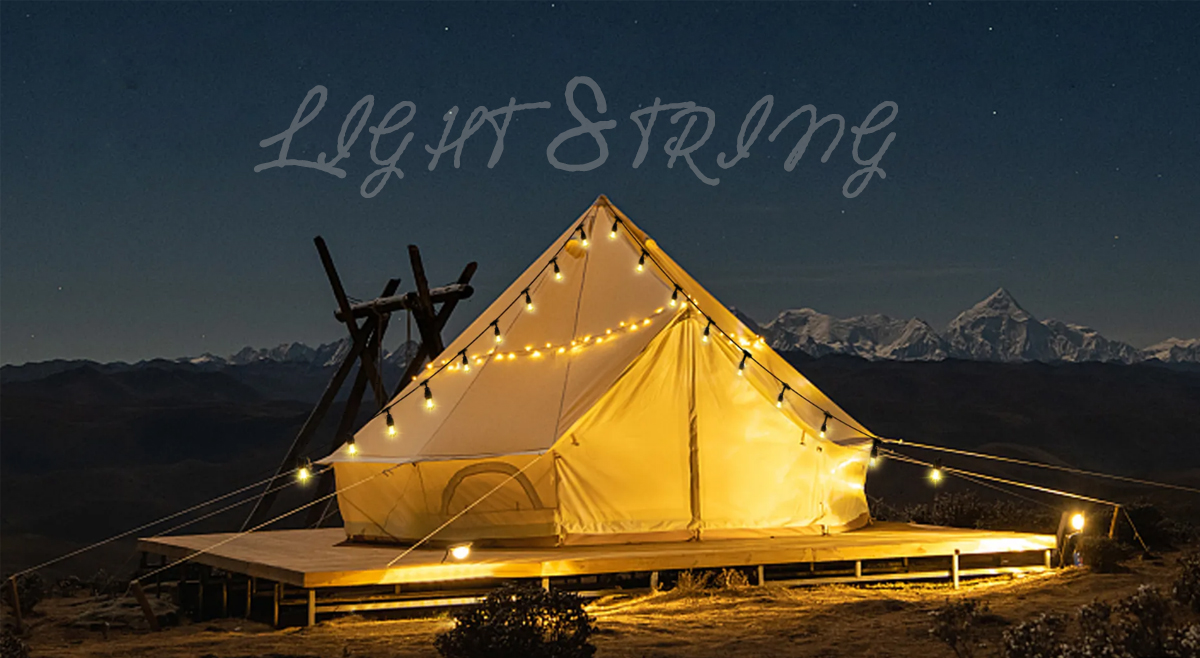

Strategies for Developing Lighting Products
In today's rapidly evolving market, the development of lighting products requires careful planning, innovation, and a deep understanding of customer needs. As the demand for energy-efficient and aesthetically appealing lighting solutions continues to rise, companies must stay ahead of the curve to remain competitive. Here are some strategies for developing lighting products that are sure to capture the market's attention.

First and foremost, it is essential to conduct thorough market research to identify current trends and customer preferences. Understanding the demand for smart lighting systems, sustainable materials, and customizable designs will provide valuable insights for product development. By keeping a keen eye on emerging technologies and consumer behavior, companies can gain a competitive edge and stay relevant in a constantly changing market landscape.
Once the market trends and customer needs are identified, the next step is to focus on innovation. This involves brainstorming and ideation sessions to generate new ideas for lighting products. Whether it's designing a cutting-edge LED fixture or integrating smart technology for automated control, innovation is the key to setting products apart from the competition. Collaborating with designers, engineers, and technology experts can help turn innovative concepts into tangible product designs that meet the market's demands.
Furthermore, product development should place a strong emphasis on sustainability and energy efficiency. With growing environmental concerns, consumers are increasingly seeking eco-friendly lighting solutions. By incorporating energy-efficient components, recyclable materials, and sustainable manufacturing processes, companies can appeal to environmentally conscious customers while reducing their carbon footprint. This focus on sustainability not only adds value to the products but also enhances brand reputation and customer loyalty.

In addition to innovation and sustainability, it's vital to prioritize quality and reliability in lighting products. Customers expect durability, long-lasting performance, and robust functionality from their lighting fixtures. Therefore, rigorous testing, quality control measures, and adherence to industry standards should be integral parts of the product development process. By ensuring that lighting products meet high-quality standards, companies can build trust and credibility among their customer base, leading to repeat business and positive word-of-mouth marketing.
Another crucial aspect of lighting product development is adaptability to changing consumer needs. As technology advances and lifestyle trends evolve, so do the demands for lighting solutions. Therefore, products should be designed with flexibility and customization in mind to cater to diverse customer preferences. For instance, offering a range of color temperatures, dimming options, and design variations can provide customers with the freedom to personalize their lighting experience, ultimately increasing product appeal and market potential.
Finally, effective marketing and branding play a pivotal role in successfully launching and promoting lighting products. By conveying the unique selling points, features, and benefits of the products through compelling storytelling, visual content, and engaging campaigns, companies can capture the attention of potential customers and create a strong market presence. Leveraging digital platforms, social media, and partnerships with influencers can further amplify product visibility and drive sales.

In conclusion, the development of lighting products requires a strategic approach that combines market insights, innovation, sustainability, quality, adaptability, and effective marketing. By aligning with market trends and customer needs, while pushing the boundaries of creativity and technology, companies can create lighting products that stand out in the competitive landscape and resonate with consumers. With the right strategies in place, companies can navigate the complexities of product development and achieve success in the dynamic world of lighting solutions.






viber

skype

whatApp

telegram
 Chinese
 English
 Arabic
 France
 Spain
Spain
 Portugal