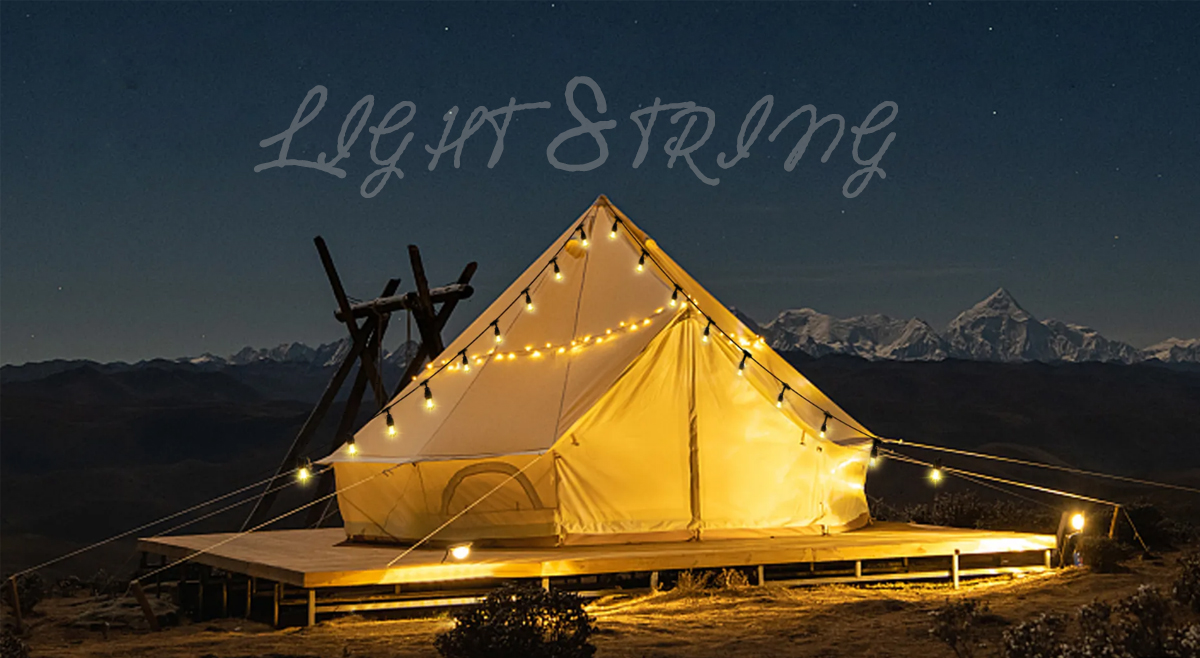

Current Situation and Development of the Lighting Industry
The lighting industry plays a crucial role in modern society, providing illumination for homes, offices, streets, and public spaces. As technology continues to advance, the industry has seen significant changes and developments in recent years. In this article, we will explore the current situation and future prospects of the lighting industry, focusing on key trends and opportunities for development.

Current Situation:
The lighting industry has experienced a shift towards energy-efficient and environmentally-friendly lighting solutions. LED technology has become increasingly popular due to its lower energy consumption and longer lifespan. This shift has been driven by government regulations and consumer demand for sustainable and cost-effective lighting options.
Another significant trend in the industry is the integration of smart lighting systems. With the rise of Internet of Things (IoT) technology, smart lighting solutions have gained traction in both residential and commercial markets. These systems offer advanced controls, energy management, and customization options, driving the demand for connected lighting products.
Development Opportunities:
Despite the challenges posed by the COVID-19 pandemic, the lighting industry has several development opportunities on the horizon. As urbanization and infrastructure projects continue to expand globally, the demand for lighting products is expected to grow. In addition, the increasing focus on smart cities and sustainable urban development presents opportunities for innovative lighting solutions.

Furthermore, the growing awareness of the impact of lighting on health and well-being has opened up new avenues for research and development. Human-centric lighting, which aims to create lighting environments that support human circadian rhythms and promote wellness, has emerged as a key area of interest in the industry.
Trends and Innovations:
The future of the lighting industry is shaped by ongoing technological advancements and consumer preferences. One notable trend is the rise of human-centric and biophilic lighting designs, which incorporate natural elements and mimic outdoor lighting conditions to enhance comfort and productivity.
Another key area of innovation is the development of Li-Fi technology, which uses light to transmit data and offers faster and more secure wireless communication compared to traditional Wi-Fi. This technology has the potential to revolutionize the way we connect and communicate in the digital age.

In conclusion, the lighting industry is undergoing a period of transformation driven by technological advancements, sustainability initiatives, and changing consumer needs. As the industry continues to evolve, there are ample opportunities for manufacturers, designers, and innovators to shape the future of lighting and make a positive impact on society.






viber

skype

whatApp

telegram
 Chinese
 English
 Arabic
 France
 Spain
Spain
 Portugal